
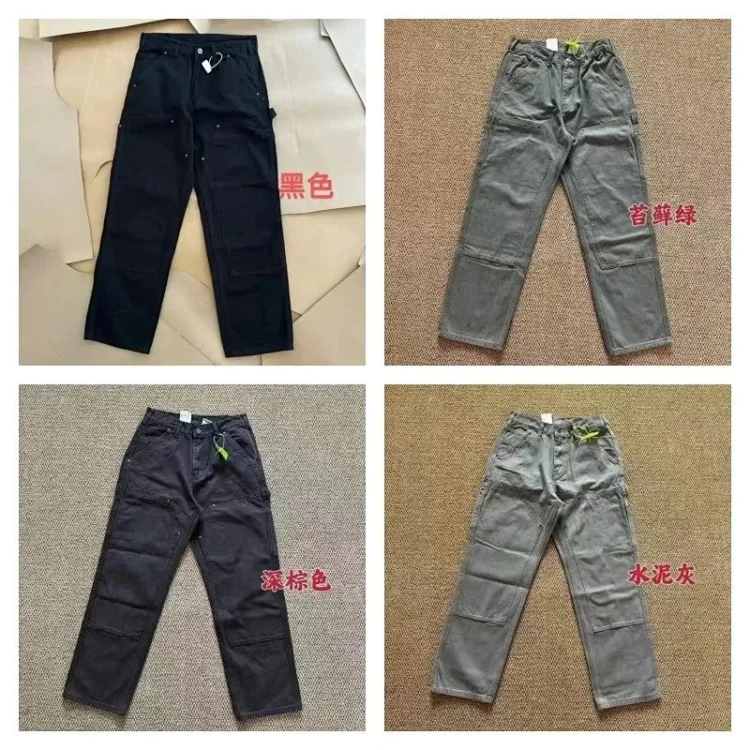
Start with one missing role in your wardrobe
Write down the situation you are trying to cover before searching: everyday trousers for a long commute, a sweatshirt to wear beneath a jacket, or shoes for casual outfits. Add the conditions that matter, such as room for a base layer or a hem that does not drag. A specific role gives you a reason to reject attractive items that do not solve the original problem.
Choose one existing outfit as your reference. Photograph it for your own notes and list the proportions you want to preserve. A relaxed top may work with your current trousers but not with a jacket that has narrow sleeves. This does not make either item universally good or bad; it identifies a compatibility question that the spreadsheet should help you answer.
Keep the first shortlist to two or three candidates for the same role. Comparing three trousers is usually more useful than comparing a watch, a hoodie and a pair of shoes in one ranking. Separate clothing fit, footwear fit and accessory specifications into their own decisions. The word men in a search query is a discovery label, not evidence that every item will fit a particular body.
Choose a category before choosing a product
Use the category index to reach the relevant research page, then open the current external listing when you need its options. Hacoo Pro is an independent discovery site. Its catalog destination is separate from the official Hacoo service, and a link between sites does not establish that a product, account or order is shared between them.
For an everyday clothing shortlist, start with trousers or shorts if they are the missing item, then consider tops or a layer only when needed. Shoes deserve a separate measurement record because footwear size labels cannot be compared with garment widths. Accessories should have their own dimensions, attachment or compatibility checks rather than receiving a clothing fit score.
An editorial reference is a starting point for research. It is not a tested best buy, an authenticity judgment or a live stock report. Check the date attached to the reference and inspect the actual selected option on the destination. If the thumbnail and destination describe different items, leave the row unresolved instead of using the photograph as proof.
| Role | Useful comparison | Do not assume |
|---|---|---|
| Everyday top | Chest width, length, sleeve method | Your usual letter size will match |
| Trousers | Waist method, rise, inseam, opening | A stretch range is a relaxed measurement |
| Layer | Room over your reference outfit | More chest room means longer sleeves |
| Shoes | Foot length and chart definition | A regional size conversion proves fit |
Make one reference measurement sheet
Measure an item you already own that fits the intended use. Lay it flat without stretching and write down the endpoints you used. For a top, chest width normally means a straight measurement across the garment, while body circumference goes around the person. Keep those labels explicit. Compare a garment chart with your garment reference only when both use the same method.
For trousers, note whether the waistband is relaxed, stretched or fixed. Record rise and inseam separately: two pairs with the same outer length can place the waistband and hem differently. If a listing provides only a letter size and a model photograph, the missing measurements remain missing. Do not fill them in from another visually similar pair.
Measure your existing garment twice and retain a sensible level of precision for a household tape. A tiny apparent difference may be caused by a fold, tension or a changed endpoint. The goal is a repeatable comparison, not a claim of laboratory accuracy. Keep body measurements private and share only the particular dimension needed if you request clarification.
Compare candidates in the same order
Give each row a short identifier and record the full destination address, selected color, selected size, visible material description and check date. Add the reference measurements beside the listing values rather than keeping them in separate browser tabs. A blank cell means not confirmed. It should never silently become zero, average or probably the same as the other item.
Review fit first, then construction evidence, intended use and current total cost. This order prevents a low headline price from rescuing an item that has already failed a necessary measurement. You can prefer a particular style, but label that as a preference. Visible seam details, stated composition and current option availability are different kinds of evidence and should stay separate in your notes.
For a practical example, imagine you need trousers to wear with shoes you already own. Candidate A lists inseam and rise but omits the leg opening. Candidate B provides those dimensions but only for a different size. Neither row is fully comparable yet. The next action is a specific measurement request, not a confident recommendation based on the more appealing photograph.
Use photographs for the questions they can answer
Look for full front and back views, then the details relevant to the garment: pocket openings, fastening, hems, seams and any area that will sit beneath another layer. A close photograph may reveal visible construction, but it cannot establish long-term durability or how fabric feels on your skin. Keep those limits beside the observation rather than converting a tidy image into a quality guarantee.
Match images to the candidate and selected option. A review of a different color, a different size or an earlier version may provide context, but it is weaker evidence for your exact row. A seller-provided chart, a general promotional photograph and item-specific measurement evidence serve different purposes. Write down which kind you have before deciding whether a missing detail has been answered.
If only styled photographs are available, retain the item as a discovery lead and identify the next needed fact. For example, ask for flat chest width in the selected size or a clear view of the trouser closure. One focused request is easier to evaluate than a broad question about whether the item is good.
Finish with a decision and an unresolved list
Use three practical outcomes: continue researching, reject for a stated reason, or ready for a final live check. Record the reason in one sentence. A candidate can be rejected because its stated inseam does not suit your reference; it should not be rejected merely because a missing number was guessed incorrectly. Unknown evidence calls for clarification, not an invented score.
Before moving beyond research, reopen the exact option and review the price, destination, availability and terms shown for that selection. Save the current details needed for your own decision. Do not carry a delivery estimate, review or return condition from a different website into this listing. Hacoo Pro does not process the transaction or control the external catalog.
Keep the shortlist after you finish. The useful record is the method, dimensions and reason for the decision, not a growing collection of stale links. When a product changes, update its row with a new date and repeat the affected checks. Your next clothing search should begin with a better reference item and clearer requirements, not with an assumption that last season's result still applies.
A men's clothing shortlist you can actually use
- 1Name the role
Choose one gap in an existing outfit and define the fit or compatibility requirement.
- 2Keep the comparison small
Compare two or three candidates of the same type with consistently labeled measurements.
- 3Write down the uncertainty
Separate known listing details, personal preferences and the evidence still needed.
Editorial method and related reading
This is an original editorial workflow, not a product test or a live offer list. Numerical examples are illustrative. The internal guides below explain the measurement and comparison methods; dated product references do not establish current stock, price or quality.
- Hacoo spreadsheet — start with the independent category directory
- Trousers and shorts checks — compare waist, rise and length
- T-shirt research — inspect top measurements and construction
- Hoodie measurement guide — compare layers with a reference garment
- Shoe size comparison — keep footwear measurements separate
Continue the buyer verification sequence
Each guide answers a different decision question, so use the pages that match the stage you have reached rather than transferring one conclusion to another.
- Hacoo Shoes Spreadsheet: Compare Size Charts and Fit Evidence — Separate foot length, insole length and outsole length, then compare the exact shoe option with a repeatable measurement record.
- Hacoo Hoodie Size Guide: Chest, Length and Room for Layers — Measure a familiar sweatshirt, read the listing's chart correctly and identify which dimensions actually create the fit you want.
- Hacoo Budget Finds: Compare the Total Cost of a Shortlist — Use the same destination, currency and options when comparing budget finds, and keep unknown charges out of false bargain rankings.
Start with the item your wardrobe needs.
Open one category, keep the selected option visible and build a small comparison you can explain.