
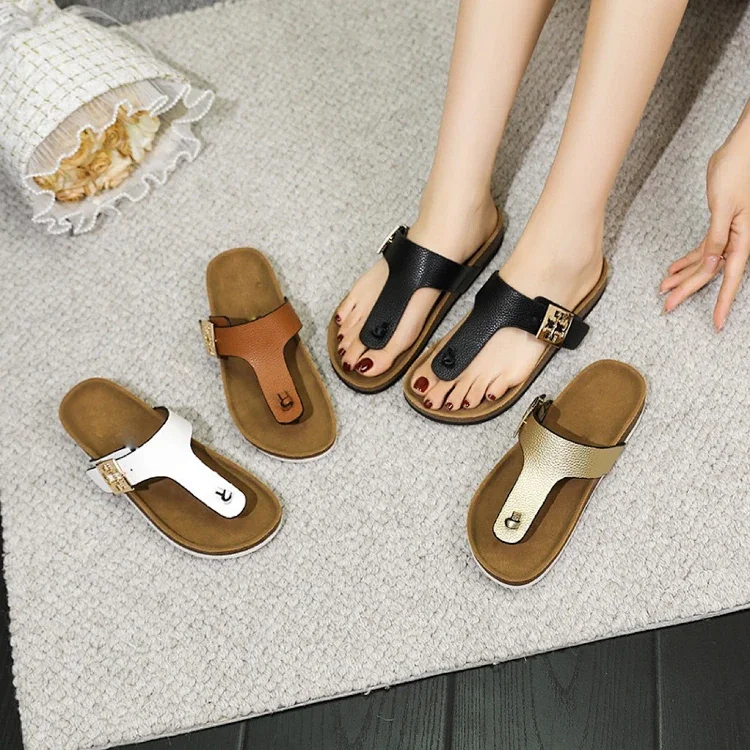
Record your feet and a comfortable reference pair
Measure both feet on a firm, level surface using the same method, with the socks you expect to wear. Stand normally while another person marks the heel and longest toe, or follow a clear measurement method supplied by the relevant seller. Record each foot separately and note the method. Do not assume the second foot has the same dimensions as the first.
Repeat the measurement if the paper shifts, the pencil angle changes or the heel does not stay at the starting point. A single improvised measurement is less useful than a repeatable one. If you already have footwear that works for the intended activity, record its model, labeled size and the fit you like. This is a personal reference, not a conversion rule for another manufacturer's shape.
Do not force an insole out of a shoe if it is fixed. If a removable insole can be measured without damage, record its length as insole length. It is not automatically the usable space inside the shoe: toe shape, lining, heel position and construction can change how the same measured length feels.
Read the chart heading before the size row
Find the measurement definition attached to the current listing. A column headed foot length describes something different from a column headed insole length. An unexplained centimeter column needs clarification before you use it. Screenshots copied into a spreadsheet can lose the chart heading, units or model name, which makes an apparently precise number misleading.
Check whether the size chart belongs to the selected model and version. A store may show several footwear styles within one product page or gallery. Do not borrow a chart from the next thumbnail because the sizes look similar. Save the chart alongside the selected option and date so that a later page change does not erase the context of your comparison.
Treat regional labels as the listing's labels. There is no single conversion table in this article because a universal table would imply consistency that has not been established for the actual products. The safe comparison is between your recorded measurement and the seller's stated interpretation of that measurement for this specific option.
| Displayed measure | What it describes | Comparison limit |
|---|---|---|
| Foot length | Heel to longest toe using a stated method | Use the chart's own sizing instructions |
| Insole length | Length of the insert or stated internal reference | Not automatically usable toe room |
| Outsole length | External sole from end to end | Cannot directly determine internal fit |
| EU / UK / US label | A named regional size | Does not prove a universal conversion |
Work through a measurement example without guessing
Consider a hypothetical comparison, not a real listing or a size recommendation. Your repeated foot measurement is 26.0 centimeters. Candidate A says a particular size corresponds to foot length 26.0 centimeters. Candidate B shows 26.5 centimeters but labels that column insole length. The numbers alone do not make Candidate B the better fit, because the two charts describe different things.
For Candidate A, the next check is the seller's sizing instructions, chart scope and any relevant width information. For Candidate B, the next question is which foot measurement the seller associates with that insole length. Adding an arbitrary allowance to both charts would hide the distinction. This guide does not prescribe one clearance value for every shoe shape, activity or person.
Suppose Candidate A's chart is visible only for a different model. That changes the outcome again: the row is now unresolved even though the measurement initially looked promising. Good research records the missing model match rather than treating a convenient number as evidence. A comparison should become more cautious when its definition disappears.
Compare width and shape as separate questions
Length is only one dimension of footwear fit. Look for information about forefoot width, toe shape, instep volume and heel structure when those features matter to you. A longer option may add unwanted length without resolving a shape mismatch. Likewise, a broad-looking photograph is not a measured width and can be distorted by angle or the lens.
Use your reference pair to describe the issue precisely. Instead of saying shoes usually feel small, note whether pressure occurs at the toes, sides, top or heel, and whether the issue appears with the socks you plan to use. This helps you identify the relevant missing information. It does not allow a remote photograph to predict comfort or suitability for an activity.
Separate casual appearance from functional claims. A sporty shape does not establish running performance, impact protection or support. If a specialized use is essential, require relevant product specifications and evidence instead of making a decision from the spreadsheet category. Leave unsupported performance claims out of your comparison.
Match photographs to the selected pair
Review a complete pair where such images are available: top, side, rear and sole views can answer different visual questions. Compare the left and right items under similar angles before judging a visible asymmetry. Perspective can make one shoe look longer or wider. Ask for a comparable view when the photograph itself prevents a fair comparison.
For measurement photographs, look for the starting point, unit markings and endpoint. A tape stretched along a curved outsole is not the same measure as straight internal length. A cropped image that shows only the final number cannot demonstrate how the measurement was taken. Label it as incomplete evidence rather than assuming the hidden method was correct.
Keep listing photographs, customer photographs and item-specific QC photographs in separate fields. Availability of one type does not prove that the other types exist. Images cannot establish authenticity, long-term wear, hidden materials or the comfort of the eventual pair. They can still be useful for the visible details they actually show.
Close the comparison with a fit evidence record
Make a compact row for each candidate: full product route, selected model, color, size label, chart definition, stated measurements and missing information. Add the date of your check. Use the shoe category page for discovery and return to the exact current option before you rely on any detail. A changed selection may change the chart, price or availability.
Choose a research outcome based on the evidence. A clear mismatch can remove a candidate from the shortlist. An unclear unit or missing chart calls for clarification. A coherent chart and matching photographs allow a further check, not a guarantee of fit. Keep the distinction visible so that a future reader does not mistake your notes for a wear test.
Review the current destination terms relevant to your decision, including any available size-exchange or return information, without assuming another site's policy applies. Hacoo Pro is an independent guide and does not sell or fit the shoes. Your most reusable result is a well-labeled reference measurement and a record of the questions that remain unanswered.
Before keeping a shoe on the shortlist
- 1Label the dimension
Keep foot, insole and outsole measurements distinct, with their units and method.
- 2Match the chart
Confirm that the chart belongs to the model and option being compared.
- 3Preserve the uncertainty
Record missing width, unclear measurement definitions and any unsupported performance claim.
Editorial method and related reading
This is an original editorial workflow, not a product test or a live offer list. Numerical examples are illustrative. The internal guides below explain the measurement and comparison methods; dated product references do not establish current stock, price or quality.
- Hacoo shoes spreadsheet category — start with footwear-specific checks
- General size guide — keep labels and measurement methods separate
- Hacoo QC photo checklist — evaluate image scope and missing views
- Product comparison worksheet — match the exact option before comparing
- Dated shoe reference — see an example research record, not a fit endorsement
Continue the buyer verification sequence
Each guide answers a different decision question, so use the pages that match the stage you have reached rather than transferring one conclusion to another.
- Hacoo Spreadsheet for Men: Build a Useful Clothing Shortlist — Build a small men's clothing shortlist around existing outfits, measured fit and evidence gaps instead of collecting unrelated links.
- Hacoo Hoodie Size Guide: Chest, Length and Room for Layers — Measure a familiar sweatshirt, read the listing's chart correctly and identify which dimensions actually create the fit you want.
- Hacoo Budget Finds: Compare the Total Cost of a Shortlist — Use the same destination, currency and options when comparing budget finds, and keep unknown charges out of false bargain rankings.
Open the shoe route with a measurement record.
Use the category to discover candidates, then verify the current chart and selected option before taking the next step.