
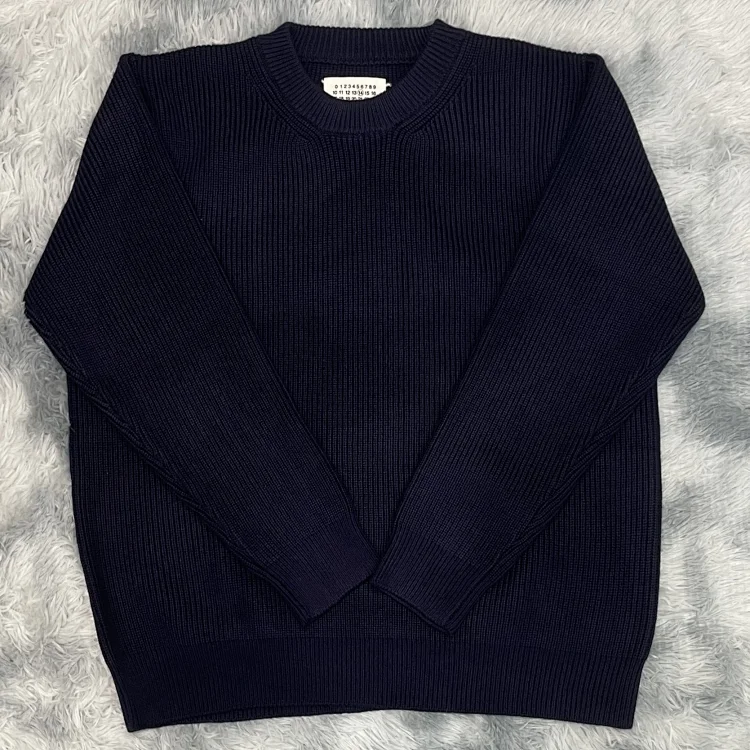
For tops and jackets
Record shoulder width, chest width, sleeve length and back length. If you plan to layer clothing underneath, compare with a jacket that already fits that way.
For pants and shorts
Compare waist, rise, inseam and leg opening. Confirm whether the listed waist is a flat width, a full circumference or a range for an elasticated waistband.
For footwear
Use foot length and, where available, the internal length of a comfortable shoe. Leave appropriate room for socks and movement, and do not assume a regional conversion is exact.
Use the same measurement method
A comparison is only useful when both items are measured between the same points. Keep garments flat without stretching, record whether widths need to be doubled and note any elastic range separately.
Allow for ease and intended fit
Body measurements and garment measurements are not interchangeable. A fitted T-shirt, relaxed hoodie and layered jacket need different amounts of room, so compare with an item that already has the silhouette you want.
Quick process
- 1Measure a well-fitting item
- 2Use the same measurement method
- 3Compare every important dimension
- 4Ask when the size chart is unclear
Continue with a live category
Use the guide as context, then confirm current information on the destination listing.
Browse categories